
Gut Health Revolution: How Your Microbiome Controls Everything and What to Eat
Your gut is your second brain. Discover how trillions of bacteria shape your immunity, mood, metabolism, and performance — and the exact foods and supplements to optimize your microbiome.
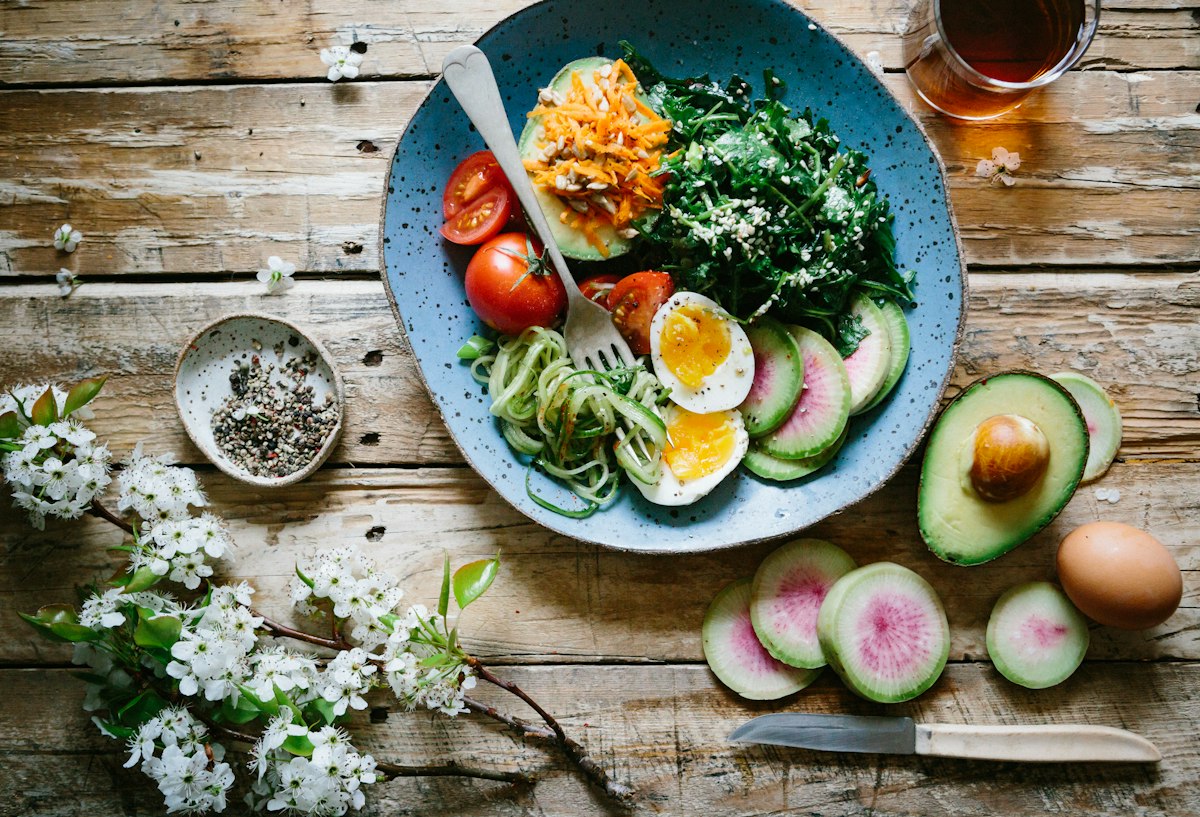
Gut Health Revolution: How Your Microbiome Controls Everything and What to Eat
Your gastrointestinal tract houses approximately 38 trillion microorganisms — bacteria, fungi, viruses, and archaea — collectively known as the gut microbiome. This complex ecosystem weighs about 2 kilograms and contains more genetic information than the rest of your body combined.
For decades, we treated the gut as a simple digestive organ. Today, we know it's one of the most complex and influential systems in the human body — intimately connected to immunity, mental health, metabolism, athletic performance, and longevity.
The Gut-Brain Axis: Your Second Brain
The gut contains over 500 million neurons — more than the spinal cord — connected to the brain via the vagus nerve. This bidirectional communication highway is called the gut-brain axis.
Your gut microbiome:
- Produces 90–95% of your body's serotonin (the "happiness" neurotransmitter)
- Manufactures GABA, the calming neurotransmitter
- Influences dopamine production affecting motivation and reward
- Communicates directly with the brain via the vagus nerve
- Regulates the stress response through the HPA axis
This explains why anxiety can cause stomach upset, and why gut dysbiosis (imbalanced microbiome) is so strongly linked to depression, anxiety, and brain fog. A 2019 meta-analysis found that people with depression show consistent alterations in gut microbiome composition.
The Microbiome and Immunity
70–80% of your immune system lives in your gut. The intestinal lining — a single cell layer thick — is constantly sampling the microbial environment and directing immune responses.
A healthy, diverse microbiome:
- Trains immune cells to distinguish friend from foe
- Produces short-chain fatty acids (SCFAs) that regulate inflammation
- Maintains gut barrier integrity (preventing "leaky gut")
- Competes with pathogenic bacteria for space and resources
- Regulates systemic inflammatory responses
Leaky gut (intestinal hyperpermeability) occurs when the tight junctions between intestinal cells break down, allowing bacterial products (LPS) to enter circulation. This triggers systemic inflammation linked to autoimmune disease, allergies, type 2 diabetes, and chronic fatigue.
The Microbiome and Athletic Performance
Emerging research reveals fascinating connections between gut health and athletic performance:
- Veillonella atypica: Athletes who compete at high levels harbor this bacteria at higher rates. It converts lactate (produced during intense exercise) into propionate — a fuel source that improves endurance performance.
- Reduced gut permeability issues: Elite athletes with diverse microbiomes suffer fewer GI symptoms during competition
- Enhanced nutrient absorption: Healthy gut bacteria improve absorption of key performance nutrients
- Faster recovery: SCFAs produced by gut bacteria reduce exercise-induced inflammation
What Destroys Your Microbiome
Before we discuss how to build a healthy microbiome, understand what damages it:
1. Antibiotics: Broad-spectrum antibiotics can eliminate 30–50% of gut bacteria diversity. Effects can persist for months or years.
2. Ultra-processed foods: Artificial emulsifiers (polysorbate 80, carboxymethylcellulose), artificial sweeteners (sucralose, aspartame), and preservatives directly alter microbiome composition and damage the gut lining.
3. Chronic stress: Cortisol shifts microbiome composition toward inflammatory species and reduces beneficial bacteria.
4. Inadequate sleep: Even a single week of sleep restriction significantly alters gut microbiome diversity.
5. Excessive alcohol: Disrupts the mucosal layer and promotes growth of harmful bacteria.
6. Sedentary lifestyle: Exercise directly enriches gut microbiome diversity. Athletes have significantly more diverse microbiomes than sedentary individuals.
7. Low-fiber diet: Gut bacteria feed on fiber. Without adequate fiber, they literally begin consuming the gut lining.
Building a Thriving Microbiome Through Nutrition
The Golden Rule: Diversity
The single strongest predictor of microbiome health is microbial diversity. The American Gut Project — the world's largest microbiome study — found that people who ate 30+ different plant foods per week had dramatically more diverse microbiomes than those eating fewer than 10.
Your weekly goal: 30 different plant foods This sounds daunting but becomes easy with the right mindset: herbs, spices, nuts, seeds, and different colored vegetables all count.
Category 1: Prebiotic Foods (Feed Your Bacteria)
Prebiotics are non-digestible fibers that selectively feed beneficial bacteria. They pass through the small intestine undigested and ferment in the colon, producing beneficial SCFAs.
Top prebiotic foods:
- Garlic: High in fructooligosaccharides (FOS), strongly feeds Bifidobacterium and Lactobacillus
- Onions and leeks: Rich in inulin and FOS
- Jerusalem artichokes: The highest natural source of inulin (76g per 100g)
- Asparagus: Inulin and FOS
- Bananas (especially slightly underripe): Resistant starch
- Oats: Beta-glucan, a powerful prebiotic fiber
- Flaxseeds: Mucilaginous fiber that coats the gut lining
- Apples: Pectin fiber that feeds Akkermansia muciniphila (a longevity-associated bacteria)
- Chicory root: The richest natural source of inulin
- Dandelion greens: Exceptional prebiotic fiber content
Category 2: Probiotic Foods (Add Beneficial Bacteria)
Fermented foods contain live cultures that contribute to gut microbiome diversity.
Most impactful probiotic foods:
Yogurt (plain, full-fat): Contains Lactobacillus and Bifidobacterium strains. A 2021 Stanford study found yogurt and fermented foods more effectively increased microbiome diversity than a high-fiber diet alone.
Kefir: Fermented milk containing 12+ bacterial strains and beneficial yeasts. More potent than yogurt, with documented benefits for lactose digestion, immunity, and bone density.
Kimchi: Korean fermented vegetables rich in Lactobacillus kimchii. Contains vitamins K2, B12, and powerful antioxidants.
Sauerkraut (unpasteurized): Contains 100+ million CFU per gram. Must be raw and refrigerated — pasteurization kills beneficial bacteria.
Miso: Fermented soybean paste containing Aspergillus oryzae. Rich in minerals and associated with reduced risk of breast cancer in Japanese populations.
Tempeh: Whole soybean fermented with Rhizopus mold. Excellent protein source (19g per 100g) with complete amino acid profile.
Kombucha: Fermented tea containing organic acids, B vitamins, and a small number of live bacteria. Less potent than food-based fermented foods but still beneficial.
Aged/raw cheeses: Parmesan, gouda, gruyère, and raw cheddar contain beneficial bacteria (unlike processed cheese).
Category 3: Polyphenol-Rich Foods
Polyphenols are plant compounds that aren't directly absorbed but serve as fuel for beneficial bacteria. They're among the most powerful tools for microbiome enhancement.
Top polyphenol sources:
- Dark berries: Blueberries, blackberries, pomegranate — exceptionally high in anthocyanins
- Dark chocolate (70%+ cacao): Flavonoids that feed Lactobacillus and Bifidobacterium
- Green tea: EGCG shown to selectively enrich beneficial bacteria
- Extra-virgin olive oil: Oleocanthal and hydroxytyrosol with prebiotic-like effects
- Red wine (moderate): Resveratrol and anthocyanins; limit to 1 glass with meals
- Coffee: Chlorogenic acids that increase Bifidobacterium
- Walnuts: Feed beneficial bacteria associated with reduced cardiovascular risk
The Gut Health Nutrition Plan
Daily Template
Upon Waking: Warm water with fresh lemon juice (stimulates digestive enzyme production)
Breakfast Options:
- Overnight oats with banana, flaxseeds, blueberries, and kefir
- Full-fat Greek yogurt parfait with granola, mixed berries, and honey
- Savory oatmeal with kimchi, poached egg, avocado, and sesame seeds
Lunch Options:
- Massive grain bowl: farro base + roasted vegetables (at least 4 types) + legumes + tahini dressing
- Miso soup + tempeh stir-fry with broccoli, kale, and brown rice
- Large salad with 8+ different vegetables + chickpeas + walnuts + apple cider vinegar dressing
Dinner Options:
- Wild salmon + asparagus + fermented pickles + quinoa
- Lentil and vegetable curry + plain yogurt raita + brown rice
- Grass-fed beef + roasted Jerusalem artichokes + sauerkraut + steamed greens
Snacks:
- Apple with almond butter
- Hummus with diverse vegetable dippers
- Walnuts + dark chocolate
- Kefir smoothie with frozen berries
Gut Health Supplements
Probiotic Supplements
When food sources aren't sufficient:
- CFU count: 10–50 billion CFU for general health; 100+ billion for post-antibiotic recovery
- Strain diversity: Look for multiple strains (Lactobacillus acidophilus, L. rhamnosus, Bifidobacterium longum, B. bifidum)
- Survivability: Enteric-coated capsules or refrigerated products
- Clinically studied strains: Lactobacillus GG (Culturelle), VSL#3, Align (B. longum 35624)
Specific strain benefits:
- L. rhamnosus GG: Best evidence for diarrhea prevention and treatment
- Bifidobacterium longum: Stress and anxiety reduction
- Lactobacillus acidophilus: Lactose digestion, vaginal health
- Saccharomyces boulardii: Excellent for antibiotic-associated diarrhea (it's a yeast, unaffected by antibiotics)
Prebiotic Supplements
- Inulin/FOS: 5–10g daily, gradually increased to minimize gas
- Psyllium husk: 5g twice daily — excellent for both constipation and diarrhea
- Acacia fiber: Gentle, well-tolerated prebiotic fiber
L-Glutamine
- Primary fuel for intestinal cells
- Supports gut barrier integrity
- 5–10g daily for "leaky gut" support
Zinc Carnosine
- Supports gut lining integrity
- 75mg twice daily shown to reduce gut permeability
Lifestyle Factors for Gut Health
Exercise: 30+ minutes of moderate exercise daily increases bacterial diversity and Akkermansia abundance.
Sleep: 7–9 hours maintains circadian rhythm of gut bacteria (yes, they have their own clock).
Stress management: Meditation, yoga, and breathwork directly improve gut-brain axis communication.
Time-restricted eating: 12–16 hour overnight fasting window allows gut bacteria to consolidate and clean house.
Chew your food: Proper chewing begins the digestive process and reduces the burden on your gut.
Conclusion
Your microbiome is arguably the most important health system you've never been taught about. By prioritizing dietary diversity, fermented foods, prebiotic fiber, polyphenol-rich plants, and gut-supportive lifestyle habits, you can fundamentally reshape your microbiome within 2–4 weeks and experience improvements in energy, mood, immunity, and performance.
Think of feeding your microbiome as an investment — one that pays dividends across every system in your body.