
The Mediterranean Diet: Science-Backed Nutrition for Longevity and Peak Performance
Explore why the Mediterranean diet is consistently ranked the world's healthiest eating pattern and how to implement it for lasting health and athletic performance.
The Mediterranean Diet: Science-Backed Nutrition for Longevity and Peak Performance
For the 7th consecutive year, U.S. News & World Report ranked the Mediterranean diet as the #1 best diet overall. But this isn't just a media trend — it's backed by over 50 years of rigorous scientific research showing profound benefits for heart health, brain function, longevity, inflammation reduction, and even athletic performance.
What Is the Mediterranean Diet?
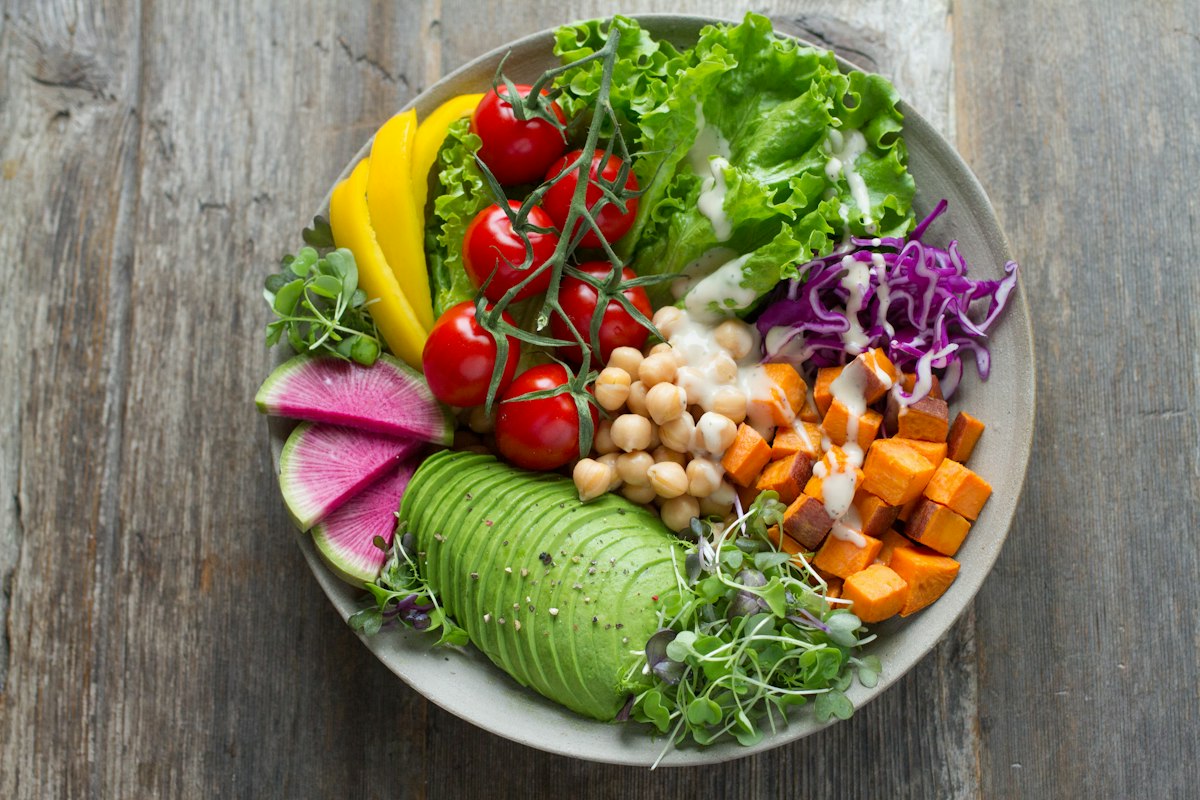
The Mediterranean diet is inspired by the traditional eating patterns of countries bordering the Mediterranean Sea — primarily Greece, Italy, Spain, and southern France. It's not a rigid meal plan but rather a flexible dietary pattern characterized by:
- Abundant plant foods: vegetables, fruits, whole grains, legumes, nuts, and seeds
- Olive oil as the primary fat source
- Fish and seafood at least twice weekly
- Moderate poultry, eggs, and dairy (especially fermented: yogurt, cheese)
- Limited red meat (a few times per month)
- Minimal processed foods, refined sugars, and trans fats
- Optional moderate red wine with meals (1 glass/day for women, 2 for men)
The Science Behind the Benefits
Cardiovascular Health
The landmark PREDIMED study — one of the largest nutrition trials ever conducted — followed 7,447 participants at high cardiovascular risk. Those assigned to a Mediterranean diet supplemented with extra-virgin olive oil or nuts experienced:
- 30% reduction in major cardiovascular events
- Significant decreases in blood pressure
- Improved cholesterol profiles (lower LDL, higher HDL)
Brain Health and Cognitive Function
A 2023 meta-analysis in Neuropsychology Review found Mediterranean diet adherence was associated with:
- 35% lower risk of cognitive decline
- Reduced incidence of Alzheimer's disease
- Better working memory and processing speed
- Slower brain aging (brains appeared 3.5 years younger on MRI)
The mechanism? Anti-inflammatory polyphenols, omega-3 fatty acids, and B vitamins work synergistically to protect neurons and reduce oxidative stress.
Longevity
Studies of populations in the Mediterranean "Blue Zones" — particularly Sardinia, Italy and Ikaria, Greece — show exceptional rates of centenarians. A Harvard study of 110,000 participants found that high Mediterranean diet adherence was associated with 25% lower mortality from all causes.
Anti-Inflammatory Effects
Chronic inflammation is the root cause of most modern diseases. The Mediterranean diet is rich in:
- Polyphenols from olive oil, berries, and wine
- Omega-3 fatty acids from fish (EPA and DHA)
- Fiber from vegetables and legumes
- Antioxidants from colorful vegetables and fruits
These compounds collectively reduce inflammatory markers like C-reactive protein (CRP) and interleukin-6.
Weight Management
Despite being relatively high in fat (primarily from olive oil and nuts), the Mediterranean diet is effective for long-term weight management. A 5-year study published in The Lancet found it outperformed low-fat diets for sustained weight loss and was far more adherent due to its palatability.
Key Components and Why They Matter
Extra-Virgin Olive Oil (EVOO)
The cornerstone of Mediterranean cooking. EVOO contains:
- Oleocanthal: A compound with anti-inflammatory properties similar to ibuprofen
- Oleic acid: Monounsaturated fat that improves cholesterol ratios
- Polyphenols: Powerful antioxidants that protect against oxidative damage
- Vitamin E and K
Quality matters: Look for cold-pressed EVOO in dark bottles with a harvest date within 18 months. It should taste peppery and slightly bitter — signs of high polyphenol content.
Fatty Fish (Salmon, Sardines, Mackerel, Anchovies)
Rich in EPA and DHA omega-3 fatty acids, which:
- Reduce triglycerides by 15–30%
- Decrease inflammation throughout the body
- Support brain development and function
- Reduce risk of sudden cardiac death by 45%
- Support joint health and reduce exercise-induced inflammation
Aim for 2–3 servings per week (3–4oz per serving).
Legumes (Beans, Lentils, Chickpeas)
The unsung heroes of the Mediterranean diet. Legumes provide:
- High protein (18g per cup of cooked lentils)
- Exceptional fiber (15–16g per cup)
- Resistant starch that feeds beneficial gut bacteria
- Iron, folate, magnesium, and potassium
- Low glycemic impact despite carbohydrate content
Recommendation: 3–4 servings per week minimum.
Colorful Vegetables
Aim for 7–10 servings daily across the rainbow:
- Dark leafy greens (spinach, kale, arugula): Folate, vitamin K, lutein
- Tomatoes: Lycopene (especially powerful when cooked in olive oil)
- Peppers: Vitamin C, capsaicin
- Eggplant: Nasunin (brain-protective antioxidant)
- Cruciferous vegetables (broccoli, cauliflower): Sulforaphane, cancer-protective compounds
Nuts and Seeds
A 30g daily handful of mixed nuts is associated with:
- 29% reduction in cardiovascular mortality
- Improved satiety and reduced overall calorie intake
- Better blood sugar control
- Reduced inflammation
Best options: walnuts (highest omega-3), almonds (vitamin E, calcium), pistachios (lutein, zeaxanthin).
Whole Grains
Farro, barley, bulgur, and whole wheat pita over refined grains provide:
- B vitamins for energy metabolism
- Fiber for gut health and blood sugar stability
- Magnesium for muscle function
- Iron for oxygen transport
7-Day Mediterranean Diet Meal Plan
Monday
Breakfast: Greek yogurt (full-fat) with honey, walnuts, and mixed berries Lunch: Large Greek salad with grilled chicken, feta, olives, cucumbers, tomatoes, and EVOO/lemon dressing; whole grain pita Dinner: Baked salmon with roasted vegetables (zucchini, peppers, onions) drizzled in EVOO; farro pilaf Snack: Apple with almond butter; handful of mixed nuts
Tuesday
Breakfast: Shakshuka (eggs poached in spiced tomato sauce) with whole grain bread Lunch: Lentil soup with crusty sourdough; side salad Dinner: Grilled sea bass with garlic, lemon, and herbs; roasted asparagus; quinoa Snack: Hummus with carrot, celery, and cucumber sticks
Wednesday
Breakfast: Avocado toast on whole grain bread with poached eggs and za'atar spice; fruit salad Lunch: Chickpea and vegetable stew with crusty bread Dinner: Lamb kebabs with tzatziki; tabbouleh; grilled flatbread Snack: Handful of pistachios; orange
Thursday
Breakfast: Overnight oats with chia seeds, almond milk, figs, and a drizzle of honey Lunch: Niçoise salad (tuna, eggs, olives, green beans, tomatoes) Dinner: Pasta e fagioli (pasta and bean soup); mixed green salad Snack: Cheese with whole grain crackers and sliced pear
Friday
Breakfast: Smoothie with spinach, banana, Greek yogurt, almond butter, and flaxseeds Lunch: Falafel wrap with hummus, tabouleh, and pickled vegetables Dinner: Grilled mackerel with lemon-herb crust; roasted potatoes with EVOO; steamed broccoli Snack: Mixed olives; walnuts
Saturday
Breakfast: Frittata with spinach, sun-dried tomatoes, feta, and fresh herbs Lunch: White bean and tuna salad with arugula, capers, and lemon EVOO dressing Dinner: Paella with shrimp, mussels, chicken, saffron, and vegetables Snack: Fruit platter with Greek yogurt dip
Sunday
Breakfast: Whole grain pancakes with fresh berries and a dollop of Greek yogurt Lunch: Mezze spread: hummus, baba ganoush, tabbouleh, pita, grilled vegetables, olives Dinner: Slow-cooked lamb with herbs, chickpeas, and tomatoes; crusty bread to soak up the sauce Snack: Dark chocolate (70%+) with almonds
Mediterranean Diet for Athletes
Concern often arises: is the Mediterranean diet adequate for high-performance athletes? The answer is a resounding yes — with a few modifications.
Carbohydrate optimization: Increase whole grain and legume portions around training periods. Consume larger carbohydrate portions pre and post-workout.
Protein adequacy: Add a quality protein supplement if whole food sources don't meet targets. Aim for 1.6–2.0g/kg body weight.
Caloric density: Athletes may need to increase olive oil, nut, and avocado portions to meet higher caloric demands.
Hydration: Mediterranean populations traditionally consume significant quantities of water and herbal teas. Athletes should ensure 3–4 liters daily.
Supplements That Complement the Mediterranean Diet
- Vitamin D: Most people regardless of diet are deficient. Aim for 2,000–4,000 IU daily
- Omega-3: If fatty fish isn't consumed 2–3x weekly, supplement with 1–2g EPA+DHA daily
- Magnesium: Many athletes are deficient. 300–400mg of magnesium glycinate before bed improves sleep and recovery
- B12: Critical for those limiting animal products
Getting Started: Simple Swaps
You don't need to overhaul your diet overnight:
- Replace butter and vegetable oils with extra-virgin olive oil
- Add a handful of nuts to your daily routine
- Eat fish instead of red meat twice weekly
- Include legumes in at least 3 meals per week
- Add a large salad with EVOO dressing to lunch or dinner daily
- Snack on fruit, olives, and hummus instead of processed snacks
- Choose whole grain bread, pasta, and rice over refined versions
Conclusion
The Mediterranean diet isn't a temporary fix — it's a sustainable lifestyle that has supported vibrant health and longevity for thousands of years. Its flexibility, palatability, and extraordinary scientific backing make it the ideal dietary framework for virtually anyone looking to optimize their health, performance, and quality of life.