
The Ultimate Guide to Protein Supplementation: Everything You Need to Know
From whey to plant-based proteins, discover how to optimize your protein intake for maximum muscle growth, recovery, and overall health.
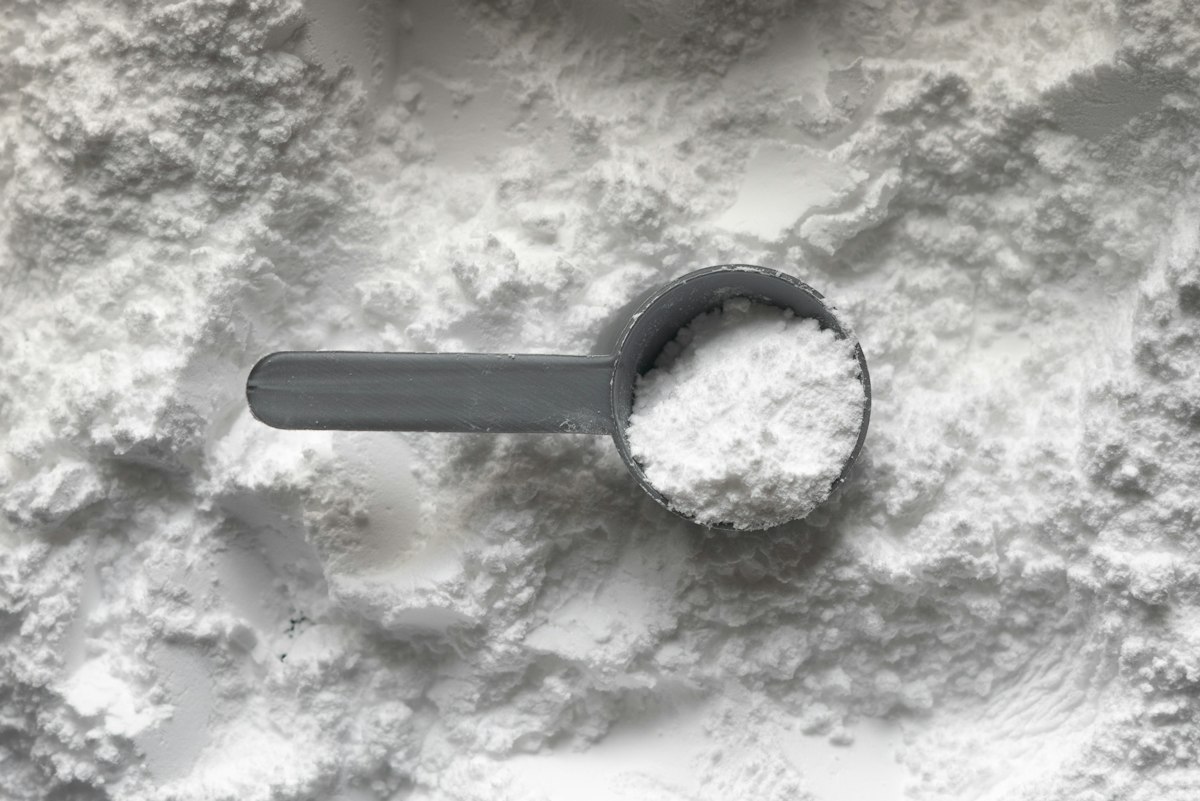
The Ultimate Guide to Protein Supplementation
Protein is the cornerstone of every fitness and health journey. Whether you're an elite athlete, a weekend warrior, or simply someone trying to live a healthier life, understanding protein supplementation can be the difference between mediocre results and extraordinary ones.
Why Protein Matters
Protein is made up of amino acids — the building blocks of muscle, enzymes, hormones, and virtually every structural component in your body. When you exercise, you create micro-tears in your muscle fibers. Protein is what repairs those tears, making muscles stronger and larger in the process.
Beyond muscle building, protein:
- Supports immune function through antibody production
- Regulates hormones including insulin and glucagon
- Keeps you full longer, reducing overall calorie intake
- Preserves lean muscle mass during weight loss
- Supports healthy hair, skin, and nails
How Much Protein Do You Actually Need?
The Recommended Dietary Allowance (RDA) for protein is 0.8g per kilogram of body weight — but that's the minimum to prevent deficiency, not the optimal amount for active individuals.
Research suggests:
- Sedentary adults: 0.8–1.0g/kg body weight
- Recreational exercisers: 1.2–1.4g/kg body weight
- Endurance athletes: 1.4–1.6g/kg body weight
- Strength/power athletes: 1.6–2.2g/kg body weight
- Those in a caloric deficit: 2.0–2.4g/kg body weight (to preserve muscle)
For a 180-pound (82kg) athlete, this means consuming 130–180g of protein daily.
Types of Protein Supplements
1. Whey Protein
Whey is derived from cow's milk during the cheese-making process. It's the gold standard of protein supplements for several reasons:
- Complete amino acid profile: Contains all 9 essential amino acids
- High in leucine: The key amino acid that triggers muscle protein synthesis
- Fast-digesting: Reaches muscles quickly, ideal post-workout
- High bioavailability: Your body absorbs and uses it efficiently
Whey Concentrate vs. Isolate vs. Hydrolysate:
- Concentrate: 70–80% protein, retains some fat and lactose, more affordable
- Isolate: 90%+ protein, virtually lactose-free, faster absorption
- Hydrolysate: Pre-digested for fastest absorption, often used in medical settings
2. Casein Protein
Also from milk, casein digests slowly — releasing amino acids over 5–7 hours. This makes it ideal:
- Before bed to support overnight muscle repair
- As a meal replacement to stay full longer
- During long periods without eating
3. Plant-Based Proteins
Pea Protein: Surprisingly complete amino acid profile, high in arginine, easy to digest. Studies show it's as effective as whey for muscle building.
Brown Rice Protein: Lower in lysine but high in branched-chain amino acids. Best combined with pea protein.
Hemp Protein: Contains omega-3 fatty acids and fiber, though lower in protein content per serving.
Soy Protein: The most complete plant protein, comparable to whey in amino acid profile. Contains beneficial isoflavones.
Blended Plant Proteins: Combining multiple sources creates a complete amino acid profile. Look for pea + rice combinations.
4. Egg White Protein
Highly bioavailable and lactose-free. Second only to whey in leucine content. Excellent for those with dairy sensitivities.
5. Collagen Protein
Not a complete protein, but supports joint health, skin elasticity, and connective tissue repair. Best used alongside complete protein sources, not as a replacement.
When to Take Protein
The Anabolic Window — Myth or Reality?
For years, athletes obsessed over consuming protein within 30 minutes post-workout. Modern research shows the "anabolic window" is wider than once thought — roughly 2 hours post-exercise.
Practical recommendations:
- Pre-workout: 20–40g of protein 1–2 hours before training
- Post-workout: 20–40g within 2 hours after training
- Before bed: 30–40g of casein to support overnight recovery
- Between meals: Use shakes to hit daily protein targets
Protein Distribution Throughout the Day
Research from the Journal of Nutrition shows that distributing protein evenly across 4–5 meals (25–40g each) optimizes muscle protein synthesis better than consuming most protein in one or two large meals.
Healthy High-Protein Diet Plan
Sample 2,800 Calorie Day (180g Protein)
Breakfast (7am)
- 3 whole eggs + 3 egg whites scrambled (27g protein)
- 1 cup Greek yogurt with berries (17g protein)
- 1 slice whole grain toast
- Coffee or green tea Total: ~44g protein
Mid-Morning Snack (10am)
- 1 scoop whey protein shake with almond milk (25g protein)
- 1 banana
- 1 tbsp almond butter Total: ~28g protein
Lunch (1pm)
- 6oz grilled chicken breast (50g protein)
- 1 cup quinoa (8g protein)
- Large mixed salad with olive oil dressing
- 1 cup roasted vegetables Total: ~58g protein
Pre-Workout (4pm)
- 1 scoop whey protein (25g protein)
- 1 cup oats with honey Total: ~28g protein
Dinner (7pm)
- 6oz salmon fillet (34g protein)
- 1 cup sweet potato
- 1 cup steamed broccoli
- Olive oil and lemon dressing Total: ~37g protein
Before Bed (9:30pm)
- 1 scoop casein protein in water or milk (25g protein) Total: ~25g protein
Daily Total: ~220g protein, 2,800 calories
Quality Indicators to Look For
When choosing a protein supplement:
- Third-party tested: Look for NSF Certified for Sport, Informed Sport, or USP verification
- Ingredient transparency: Full disclosure of all ingredients and amounts
- Minimal additives: Avoid artificial colors, excessive sweeteners, and fillers
- Amino acid spiking: Watch for cheap amino acids (glycine, taurine) boosting nitrogen content without muscle-building benefit
- Sugar content: Most quality proteins contain less than 5g sugar per serving
Common Protein Myths Debunked
Myth: High protein damages kidneys Fact: Research consistently shows high protein intake is safe for healthy individuals. Those with existing kidney disease should consult their doctor.
Myth: You can only absorb 30g of protein per meal Fact: Your body can absorb all the protein you consume. However, muscle protein synthesis is maximized around 40g per meal, with additional protein used for other bodily functions.
Myth: Plant protein is inferior Fact: Modern research shows that when matched for leucine content and daily totals, plant proteins produce equivalent muscle gains to animal proteins.
Myth: Protein shakes are necessary Fact: Whole food protein sources are always preferred. Shakes are a convenient supplement when whole foods aren't practical — not a replacement.
The Bottom Line
Protein supplementation, when used strategically, is one of the most evidence-backed nutrition tools available. Focus on hitting your daily protein targets through a combination of whole foods and quality supplements, distribute intake throughout the day, and choose products that are third-party tested and transparently labeled.
Your muscles, metabolism, and overall health will thank you.